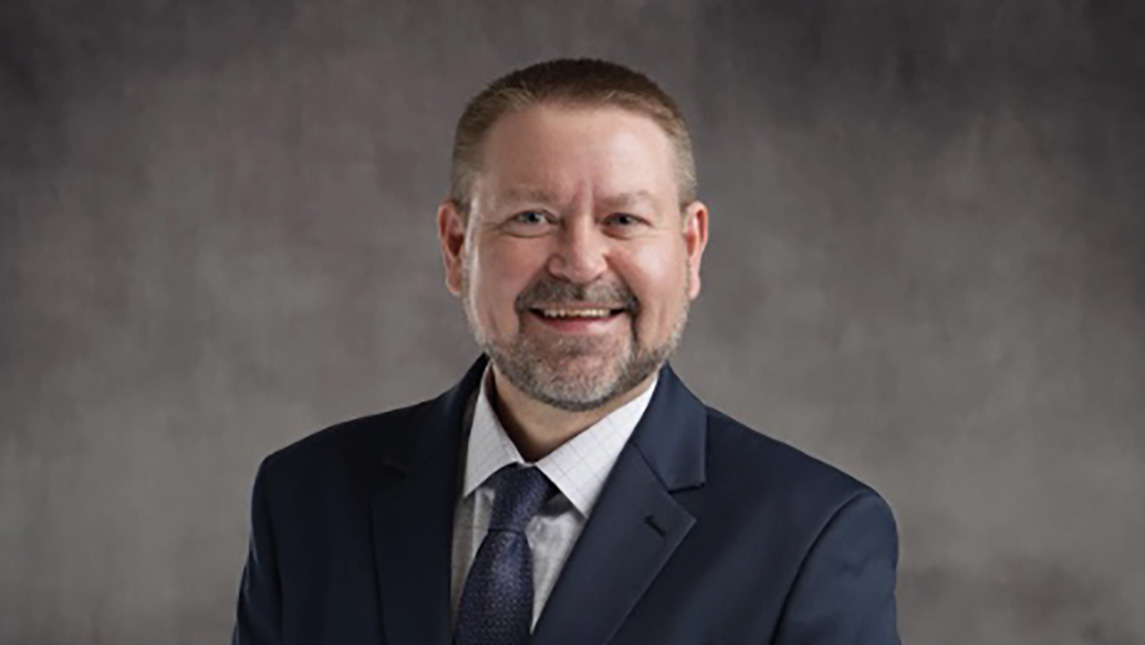
An associate professor in the Department of Information, Library, and Research Sciences (ILRS), Dr. Kyung Yong Kim joined the faculty at UNC Greensboro in 2017. After graduating from college in his native South Korea, Kim earned both his master’s degree in statistics and a Ph.D. in Educational Measurement and Statistics from the University of Iowa.
Why UNCG?
One thing that attracted Kim to the position at UNCG was the ability to immediately work with the North Carolina Department of Public Instruction (NCDPI).
Kim also enjoys the people at UNCG, saying, “I really think it’s important who you work with. I really like our program because of the faculty, all the staff, and all the students in our program, I think, are wonderful.”
Current Projects
Kim continues to work with NCDPI, specifically around state testing. His work has led to the state adjusting its testing to allow for more precise measurement of student proficiencies.
He said, “We provide psychometric support for them. Now it’s running full scale, so it’s applied to all grade levels for math and English. Starting this year, they’re going to apply it to science so we’re helping them make it happen.”
Kim also has an interest in finding ways to make scores from various versions of tests interchangeable.
He said, “For example, think about SAT math. If students take SAT math on different test dates, they get different items. So even though College Board tries to make them equal in terms of difficulty, since the items are different, it’s impossible to make them identical.”
His work uses a statistical method that can be applied to a student’s score so they are neither advantaged or disadvantaged based on what specific test questions they received.
Working With Students
Graduate students play a large role in the work that Kim is doing with NCDPI. With a limited psychometric staff at NCDPI, students will perform tasks such as item analysis and producing scoring tables.
The team of graduate students can be highly involved in the work being done by Kim.
He said, “It’s good for the graduate students. I think it’s a really great opportunity to get hands-on experience. They’re not just reading textbooks. They are actually applying what they’ve learned in class. And every year we have different projects, so they can learn different things.”
What To Do With $1 Million
Research and outreach require funding. While most funding is found through grants and internal sources, philanthropic efforts can make a difference in the innovative, life-changing work being done.
Looking at the impact $1 million could have on her work, Kim said, “It’s going to be a good opportunity to support more students. I work with a lot of students, not just on those projects, but in terms of personal research. I think it could be a good chance to support more students and do more research together.”