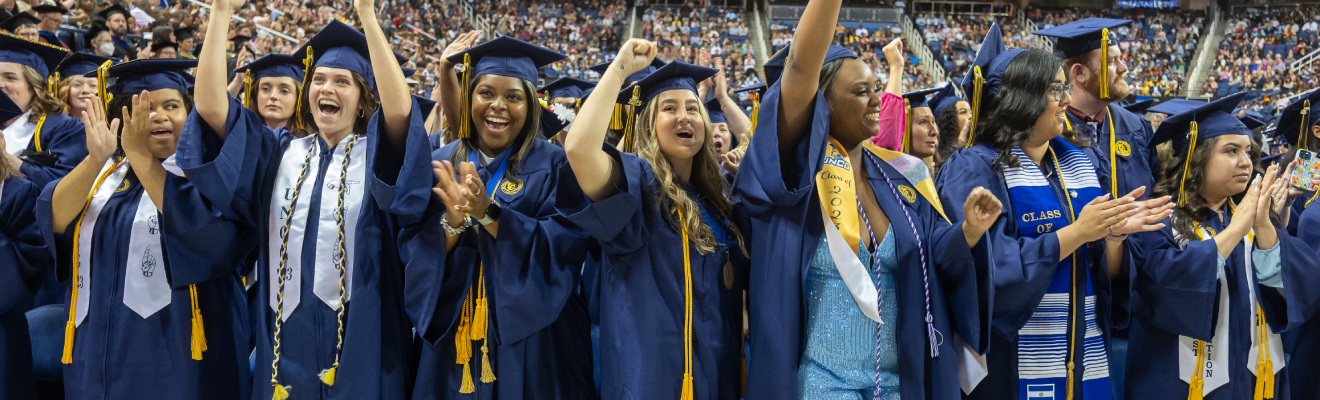
A group of graduates cheer at the 2023 spring commencement ceremony

MISSION (WHO WE ARE)

The School of Education is committed to creating life-changing opportunities through education by providing transformative learning, leading innovation and discovery, engaging communities, and promoting equal opportunity for students of all backgrounds.

CORE VALUES (WHAT GUIDES & INSPIRES US)

Our core purpose is to create life-changing opportunities through education. Everything we do is in support of this core purpose. Four Areas of Distinction guide our progress towards fulfilling our core purpose. We believe they represent critical principles for the future success of our graduates, and we are proud of our regional and national recognition as leaders across these areas. 

SOE Headlines

March 25, 2026

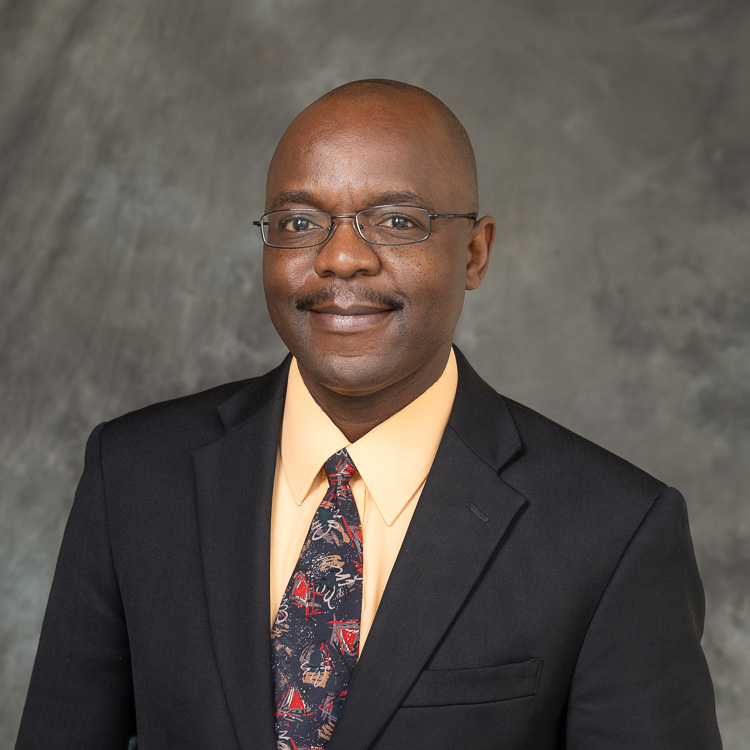
2026 Smiley Award Bestowed Upon Moradi, Sun

The Smiley Award, which supports global educational opportunities for current UNC Greensboro School of Education undergraduate and g…

March 19, 2026

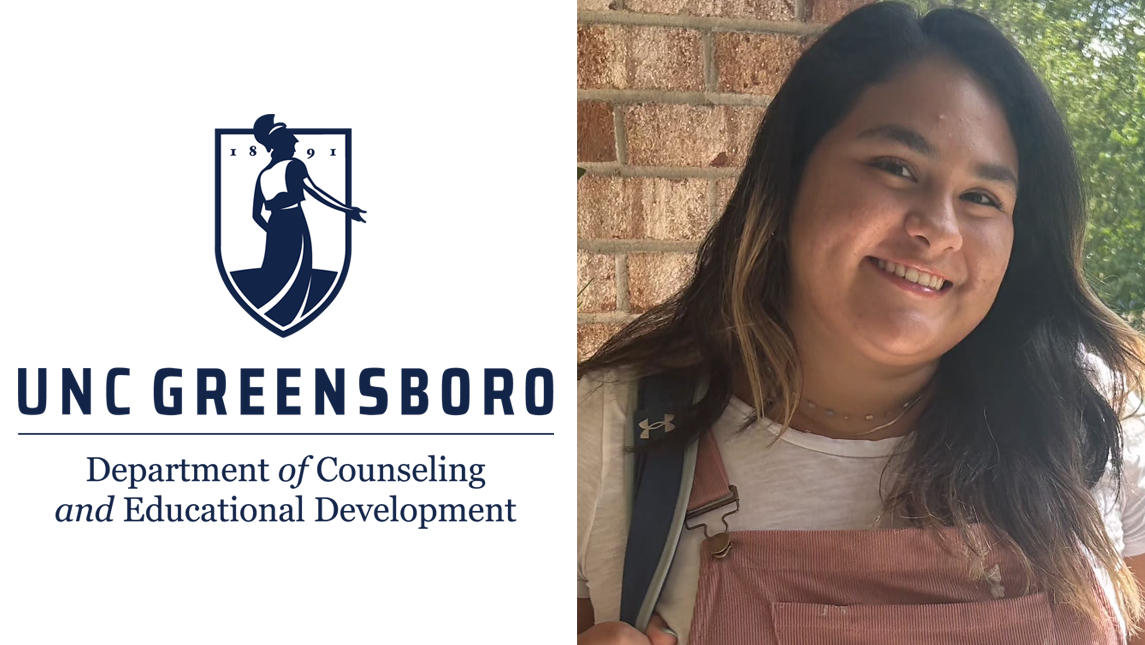
Spartan Voices: Leila Lovell

Lelia Lovell is an elementary education major who is minoring in psychology. The Greensboro, N.C., native expects to graduate in May…

March 13, 2026

Engaging Teacher Tackles Classroom and NC TEACH Licensure

A 2020 alumna of UNC Greensboro’s Political Science program, Mary Judge teaches at Wake Forest Preparatory Academy, a charter scho…

1891–1899

Founding Years

Founded as the North Carolina State Normal and Industrial School to train women educators.

Charles Duncan McIver appointed first president.

Curriculum focused on basic teacher training; became a full college by 1897.

1900–1909

Early Growth

Julius Foust became Dean of Faculty and later president.

Curry Building opened as a practice school for education students.

Liberal arts curriculum began to expand.

1910–1919

Institutional Development

Education programs among the largest in the South.

New School of Education and Curry School building completed.

Programs accredited by the Association of Secondary Schools and Colleges of the Southern States.

1930–1939

Consolidation Era

Became part of the Consolidated UNC System in 1932.

Education and Home Economics downgraded to departments.

Enrollment surged despite the Great Depression.

1940–1949

Graduate Education Emerges

Graduate programs expanded; master’s in elementary education approved in 1949.

WC became the largest women’s college in the U.S.

Charles Prall appointed dean of education.

1950–1959

Integration and Curriculum Reform

First African American students admitted in 1956.

Curriculum shifted toward liberal arts and scientific study.

Emphasis on research and publication increased.

1960–1969

Coeducation and Accreditation

Renamed UNCG in 1963; became coeducational.

NCATE accreditation highlighted need for centralized teacher education.

Doctor of Education degree introduced in 1966.

1970–1979

Reorganization and Growth

UNCG became a commuter college.

David Reilly appointed dean; reorganized School into departments.

Enrollment and faculty numbers grew significantly.

1980–1989

Leadership Challenges and Faculty Tensions

Reilly’s tenure marked by conflict and reorganization attempts.

Jack Bardon served as interim dean (1986–1988).

Endowment grew significantly; Curry Building renovated.

1990–1999

research and Partnerships

Edward Uprichard emphasized grantsmanship and unified teacher education.

Teachers Academy established.

David Armstrong succeeded Uprichard; expanded partnerships and technology use.

2000–2009

Technology and Infrastructure

Dale Schunk became dean in 2001.

UNCG classified as a high research activity university.

New LEED-certified School of Education building opened.

2010–2015

Strategic Transformation

Karen Wixson reorganized administration and governance.

SELF Design Studio and Michel Family Teaching Resources Center unveiled.

$7.7M TQP Grant awarded for tech-enhanced teaching.

Randy Penfield appointed dean in 2016.

LAND ACKNOWLEDGEMENT