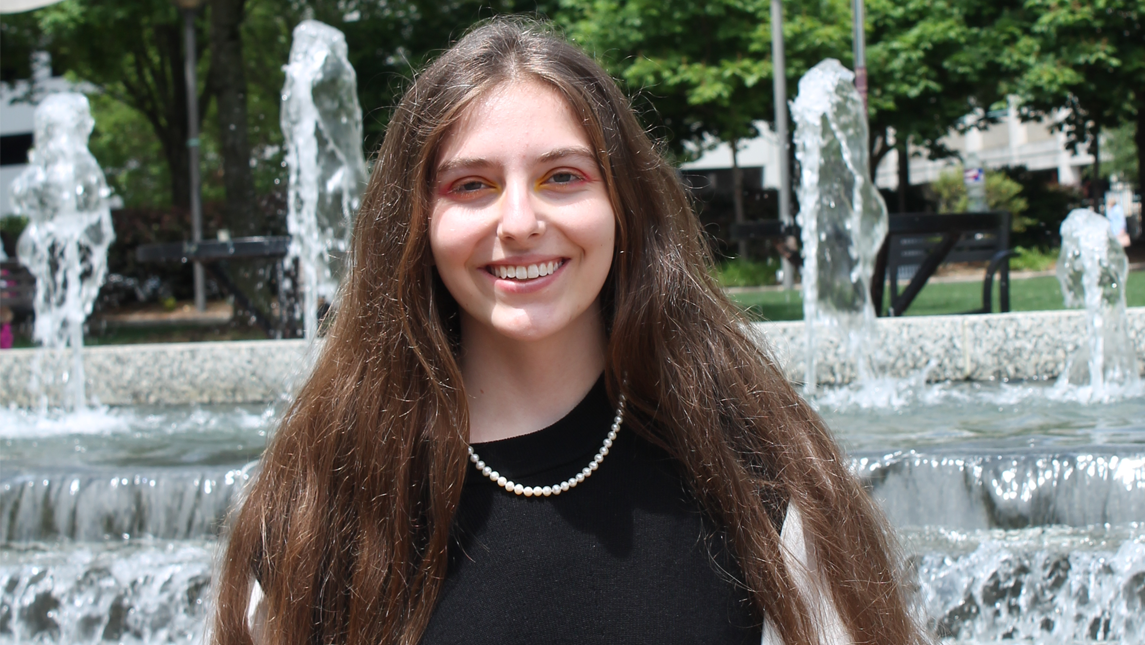
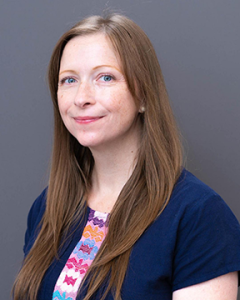
Dr. Jamie Schissel serves as a professor in the Department of Teacher Education and Higher Education and came to UNC Greensboro in 2013. She was recently honored as a recipient of the AERA 2026 Second Language Research SIG Mid-Career Award and will address the American Educational Research Association’s upcoming conference in Los Angeles.
What is your educational background?
I’m originally from Iowa and did my bachelor’s degree at the University of Northern Iowa in German languages and literatures with a teaching degree. I also got certification in TESOL (Teaching English to Speakers of Other Languages).
Then I went to Germany for one year and was a Fulbright foreign language teaching assistant before completing my credentialing. After teaching ESL on the East Coast, I decided to go back to school. I got my master’s degree from Georgetown University in the linguistics department.
I went to the University of Pennsylvania in Philadelphia and studied educational linguistics for my Ph.D. in the Graduate School of Education. I remain close with many of the students and mentors I met while in these programs.
Why did you choose to come to UNCG?
I remember initially applying because of the background of the student body. There are a lot of first-generation students. Knowing that students came from a wide variety of backgrounds and that fact that the position was housed in a teacher education department was important to me. The universities where I completed my master’s and Ph.D. programs were not in teacher education, though my work during those programs was in proximity to it.
What I really like about the department is the small community groups that form within this larger community. I like small groups and bottom-up community organizing. At UNCG, there’s a lot of space for organic relationship building. I’ve been able to work with areas like the Office of Intercultural Engagement. There are also connections with former students, or schools that I’ve worked with, and we’ve stayed in touch. I like creating these pockets of small groups that stay connected with each other.
What are your current research interests and what attracted you to those areas?
I usually talk about my research in three areas – language assessment, language policy, and teacher education within culturally and linguistically diverse communities. In my work, I use participatory action research and historical analysis dovetailed together. I am curious about engaging in assessment research across these areas.
I take seriously the perspectives of test takers and participatory action research, which is research with people, not on or about them, and have connected well with that approach to research.
The historical context is important because some of the issues in assessment that we have today have been ongoing for almost 100 years.
What are you hoping to accomplish with Your Research?
I’ve enjoyed working with multilingual approaches to assessment and local organizing with teachers and community members. I have been able to do that in Oaxaca, Mexico for Indigenous language assessment and then, most recently, in the Dominican Republic for classroom language assessment.
The most recent area of my work is humanizing practices in assessment.
I’m trying to figure out how to create a space within the field of assessment that can focus on the lived experiences of culturally and linguistically diverse people. I want to help address the social consequences of testing and leverage the knowledge of teachers and students. I feel like their knowledge, experience, and expertise in assessment speak well to this area of the social consequences of testing.
One way of thinking about humanizing assessment would be local organizing. Working with teachers, working with community members to understand the purposes and the needs of assessment allows for a focus more on who people are rather than developing an instrument.
In some of the multilingual approaches we have made sure that not only are we providing pathways for students to use all of the languages that they know to get their message out, but to also choose topics and content areas that are relevant and meaningful to them.
How do students assist with your research?
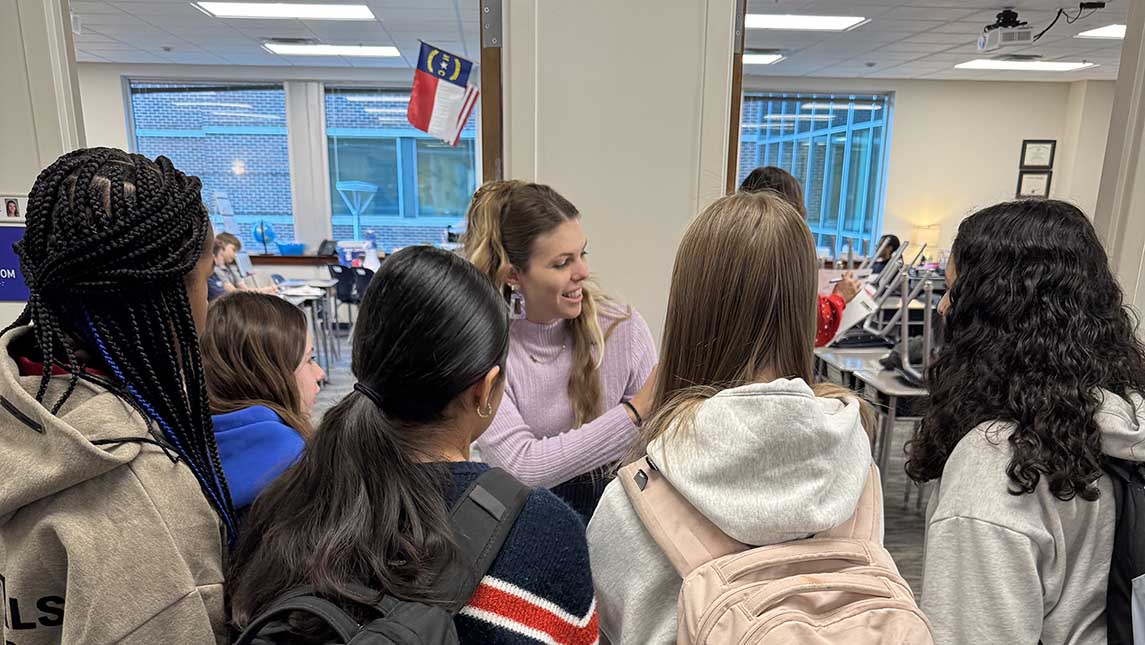
I’ve worked with undergraduate and graduate research assistants at UNCG. We’ve co-authored papers, co-conducted studies, and done data analysis. We’ve traveled both nationally and internationally to conferences and for data collection.
UNCG has a nice Office for Undergraduate Research and Creative Services. They offer some stipends and that’s been a good area to connect with.
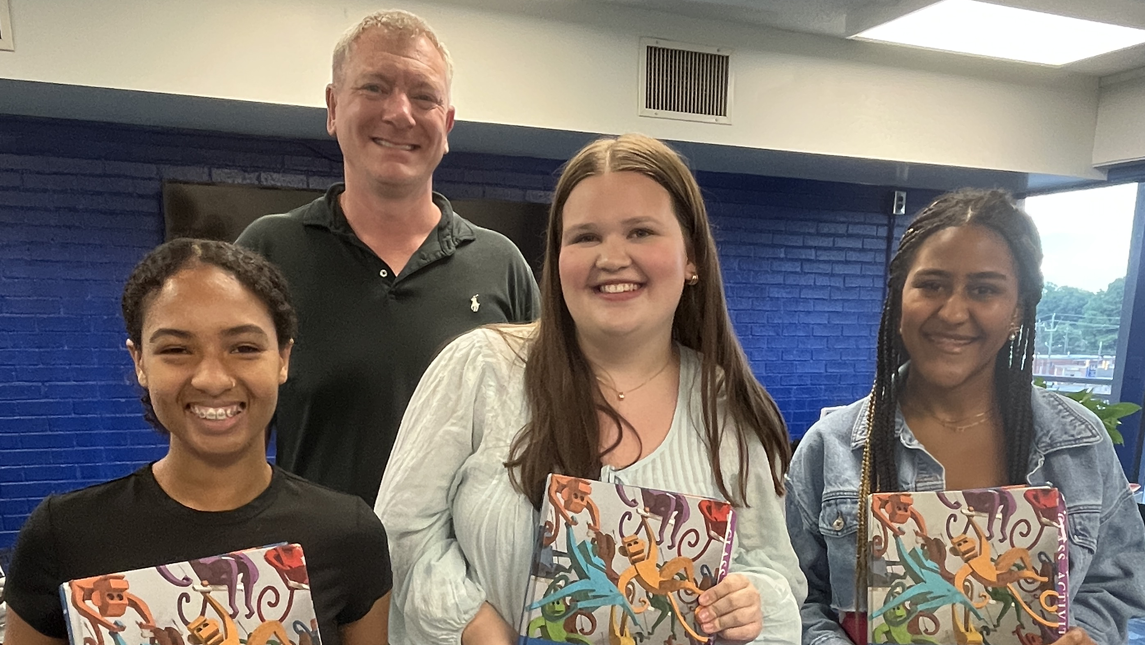
I co-authored a paper with Martha Reyes who was an undergraduate student at the time. She had taken my class previously and then asked if she could work with me on research. We decided to research how students were learning about ideologies of multilingualism and monolingualism in the class. I worked with her to do the lit review, the data analysis, but because she had already been through the class, she had many additional, insightful ways of looking at the information.
WHAT DOES IT MEAN TO YOU TO BE RECOGNIZED WITH THE AERA award?
It’s very humbling to get this recognition. The nomination process in and of itself created such a warm feeling.
When I got the notification of the award, I learned shortly thereafter that my close colleague was the co-award winner. Finding out that the two of us were getting recognized felt right. I don’t feel like anything that I’ve done is alone. Being able to share it with other people that I know have played an important role is meaningful.
There hasn’t always been a big focus on social aspects of assessment in second language research in the past. Seeing that the work that I’ve done in this area is being recognized and appreciated by my colleagues is validating. It’s also nice encouragement to keep moving forward with this work on humanizing assessment.
What advice would you give people who are Considering GOING into THIS FIELD OF Work?
My work in assessment is often characterized as critical language assessment. That means knowing quite a bit about the technical aspects of testing and assessment in addition to theory-based or ground-based practices like working with communities. It takes a wide range of different perspectives to do this type of work.
What I’ve had to do is narrow and focus my own talents and areas that I’m interested in. I have quite a few people that I am close collaborators with, mostly in complementary areas. For advice, I would say that you need to know who you are and your own strengths while at the same time be curious about other people’s perspectives and what they can bring. That may mean a lot of disagreements and debates, but speaking from experience, those debates have been the foundation for some of the strongest relationships I have now.
In assessment you’re also going to get to know people working for non-profit industries, in government agencies like the FBI, in for-profit industry, people in tech, multiple different disciplines in academia, and community organizers. All these people have some type of vested interest in assessment. Trying to understand their backgrounds and their experiences without prejudging them is important.
What do you enjoy outside of work?
I spend most of my time outside of work with my family. I have two little girls. My husband and I are outdoors people. We like to go hiking and bike riding. We also have two sweet cats that sometimes terrorize us when we’re indoors.
I also like cooking and gardening. We just got a new house so I haven’t set up a garden there yet, but I brought my lime tree with me. I’m trying to keep it alive through the winter.
If you were given $1 million to use on your research, what impact would that make?
I’ve been talking with Dr. Kongji Qin at New York University about trying to set up intergenerational mentoring and setting up participatory action research projects. That would be youth learners, teachers and schools, university students, and researchers and creating some type of mentoring space.
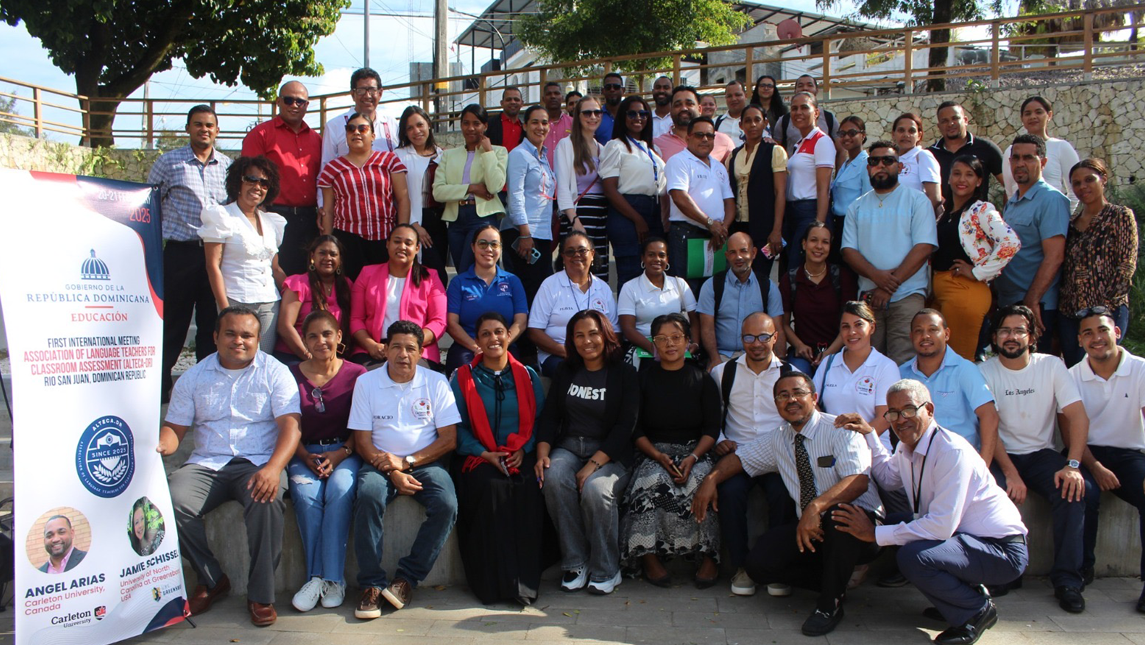
One other area in the front of my mind is this group that I started working with my colleague Dr. Angel Arias. He’s at Carleton University in Canada, but he’s originally from a small city in the Dominican Republic. Last year, we went there and met with the language teachers in the district that he’s from – almost 50 teachers. For two days we got to learn about them and what they’re able to do as teachers of English and French in the public schools there. It would be great to support what they’re doing in their schools.