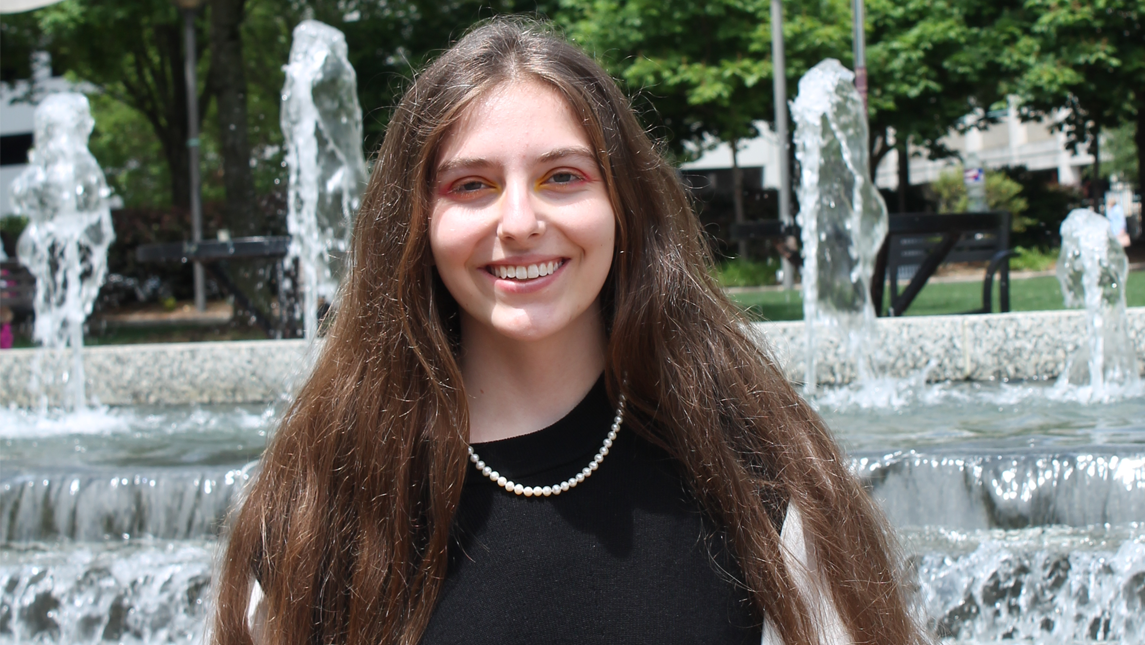
A licensed clinical mental health counselor and National Certified Counselor, Hilary Flint is now in their second year of the Counseling and Counselor Education doctoral program in UNC Greensboro’s Department of Counseling and Educational Development.
Flint said, “I work primarily with LGBTQ+ folks, especially focusing on the needs of trans and gender-diverse clients. I specialize in supporting individuals navigating trauma, disordered eating, neurodivergence, and addictions. Often my clients hold multiple marginalized identities. Being able to support those intersections is really important to me.”
The commitment to inclusive, community-centered care displayed by Flint is part of why they were named a recipient of the National Board of Certified Counselors Minority Fellowship.
This fellowship will allow Flint to pursue additional training, specifically in perinatal mental health. They also want to use the funding to help increase the amount of sliding scale availability on their caseload.
They will also be able to take advantage of networking and continuing education opportunities through conferences.
Flint hopes to see research that is focused on health outcomes, and is not just looking at health disparities.
They said, “When we have research that really centers on that, we leave out a lot of other really important information and lived experience for marginalized groups. Highlighting these disparities can often overlook important factors like resilience or systemic issues.”
As a doctoral student, balancing coursework, teaching responsibilities, and a part-time but full caseload is demanding. The NBCC fellowship will help Flint focus more intentionally on the clinical and research work that fuels their passion.
Flint looked to UNCG for their doctoral work due to the program’s stellar reputation as one that has been highly rated nationally for over 30 years. But it was not just that reputation that made their decision a practical one.
They said, “I booked a tour because getting the feel for the environment in a program is important to me. Who is around? Are the doors open? This is going to be somewhere that you’re going to spend at least three years. It needs to be somewhere that feels right. I really got that impression from UNCG.”
Something else that stood out to Flint was the amount of experience that CED students are able to receive in the program. Doctoral students teach undergraduate courses, work with master’s students in their practicum courses, and provide clinical supervision to master’s students in their advanced practicum and clinical internships.
Alumni of the CED programs constantly speak about the close bonds they form with other students. Flint agrees with that sentiment, saying, “I don’t know how I could do this program without my cohort. We’re a community and have each other’s backs. I feel like we’re not on an individual journey. We’re all in this together and are supportive of one another.”
Flint expects to graduate in May 2027. After that, they plan to continue operating their private practice while looking to expand affordable counseling options for the community and continuing their research.