

National Virtual Forum for Digital Games in Libraries
Join us for the inaugural National Virtual Forum for Digital Games in Libraries, a free online conference on October 29–30, 2026, focused on preserving and supporting digital games in library collections.
Listen to presentations about critical issues for preserving digital games, participate in hands-on workshops, ask questions, share resources, and connect with others working at the intersection of libraries and digital games. Presentations will be livestreamed and recorded via GameRT’s YouTube and Twitch channels (@ALAGameRT).
Workshop sessions will be hosted on Gather (link to join will be sent to registrants).
MEET THE DGIL PRESENTERS

Kendra Albert is a partner at Albert Sellars LLP, a boutique public interest technology and media law firm. Prior to founding Albert Sellars, they spent seven years teaching and practicing technology law at the Cyberlaw Clinic at Harvard Law School. Kendra is a nationally recognized expert on the law of video game preservation, and has served as the lead attorney for the proponents of the 1201 temporary exemptions for software and video game preservation in the last three triennial rulemakings at the U.S. Copyright Office. They live and work in beautiful Philadelphia, Pennsylvania.
“Libraries are vital points of access and preservation for all kinds of cultural works, and I’m thrilled to think about how indie video games, which represent the best of the medium, can be included.”

Grim is a writer, game developer, and enthusiastic collector of plague masks whose work has been previously published or exhibited in Kaleidotrope, sub-Q Magazine, Indiepocalypse, and AdventureX. Working in the games industry, Grim has occupied a variety of roles ranging from narrative design to frontend development to localization, and is an alum of The Game Awards’ Future Class and the Academy of Interactive Arts and Sciences’ Amplifying New Voices programs. Currently, Grim volunteers with the Interactive Fiction Technology Foundation and independently creates the ongoing Twine Grimoire project, an open-source spellbook helping Twine sorcerers conjure up new games.
“Libraries provide incredible benefits to their communities, and the National Virtual Forum for Digital Games in Libraries facilitates discussion and collaboration that will have material effects on preservation for years to come. Bringing game developers, librarians, and other experts together to share and learn from each other’s institutional knowledge in an accessible, remote space is an important step toward the long-term archival and survival of video games and other digital media.”
Director of Digital Preservation at The Strong National Museum of Play, Rochester, NY. Andrew Borman serves as the Director of Digital Preservation at the Strong National Museum of Play in Rochester, NY where he leads the museum’s efforts to safeguard and maintain its digital collections related to the study of play. His role involves developing and implementing strategies for digitization, long-term storage, and accessibility of digital collections.

“With over 20,000 games released on Steam alone in 2025, let alone the countless amounts on other platforms, it is important that we start addressing the issues surrounding preservation and access of digital games now. The Digital Games in Libraries project is an important step in understanding the needs of libraries and develop the tools required to do so.”

Director of the Cherokee Public Library in Cherokee, Iowa, where he leads initiatives focused on digital equity, inclusive engagement, and future-ready workforce development. A 2024 Library Journal Mover & Shaker and 2025 Distinguished Leadership Award winner from the Iowa Library Association, Tyler has expanded rural access to STEM education, built international esports partnerships for youth, and launched adult training programs in emerging technologies. He advocates for rural libraries as essential civic infrastructure—empowering communities through innovation, education, and connection.
“The DGIL project’s focus on preserving indie games and expanding library access to digital-only formats resonates with my work at Cherokee Public Library, where esports and gaming programming have become meaningful community engagement tools.”

Regina Marie Mills (PhD, UT-Austin, 2018) is Associate Professor of Latina/o/x Studies in the Department of American Culture at the University of Michigan. Dr. Mills’s research and interest in digital studies stems from her interest in play (especially video games) and Latinx studies. Her first book, Invisibility and Influence: A Literary History of AfroLatinidades (University of Texas Press, 2024) won Honorable Mention for the 2026 Latin American Studies Association (LASA) Latinx Studies Section Book Award. She is a first-generation college student, the daughter of a Guatemalan immigrant, and the eldest of seven children.
“As someone who studies Latinos/as in games, I worry about how we will preserve digital-only games were never released in hard copy or are only available on subscription services. As a teacher of games, I’m excited to hear about and think of strategies to make games as easy to access as books through libraries and other strategies.”

Devinne is a writer, designer, and studio founder with over five years of experience crafting short fiction and interactive media projects. He develops character-oriented games with a focus on literary and psychological principles, and he is passionate about creating projects that are heartfelt and demonstrate complex care and meaning. He currently works at Merriam-Webster/Britannica Games and makes his own narrative games under Vine Moss Games.

Andrew has been playing interactive fiction since there were home computers, and tried writing some shortly thereafter. In 2001 he became a maintainer of the already-venerable Interactive Fiction Archive, a service which is still running today. (Enormously larger and four times as venerable!) He also maintains various open-source IF tools and helps run a conference.
“Game preservation and study cannot work if all the effort is on one side of the pipe. No amount of after-the-fact ‘pull’ is sufficient. This has to be a project that gets writers, publishers, players, and researchers all on board the same ship. Or at least on ships sailing in the same direction.”
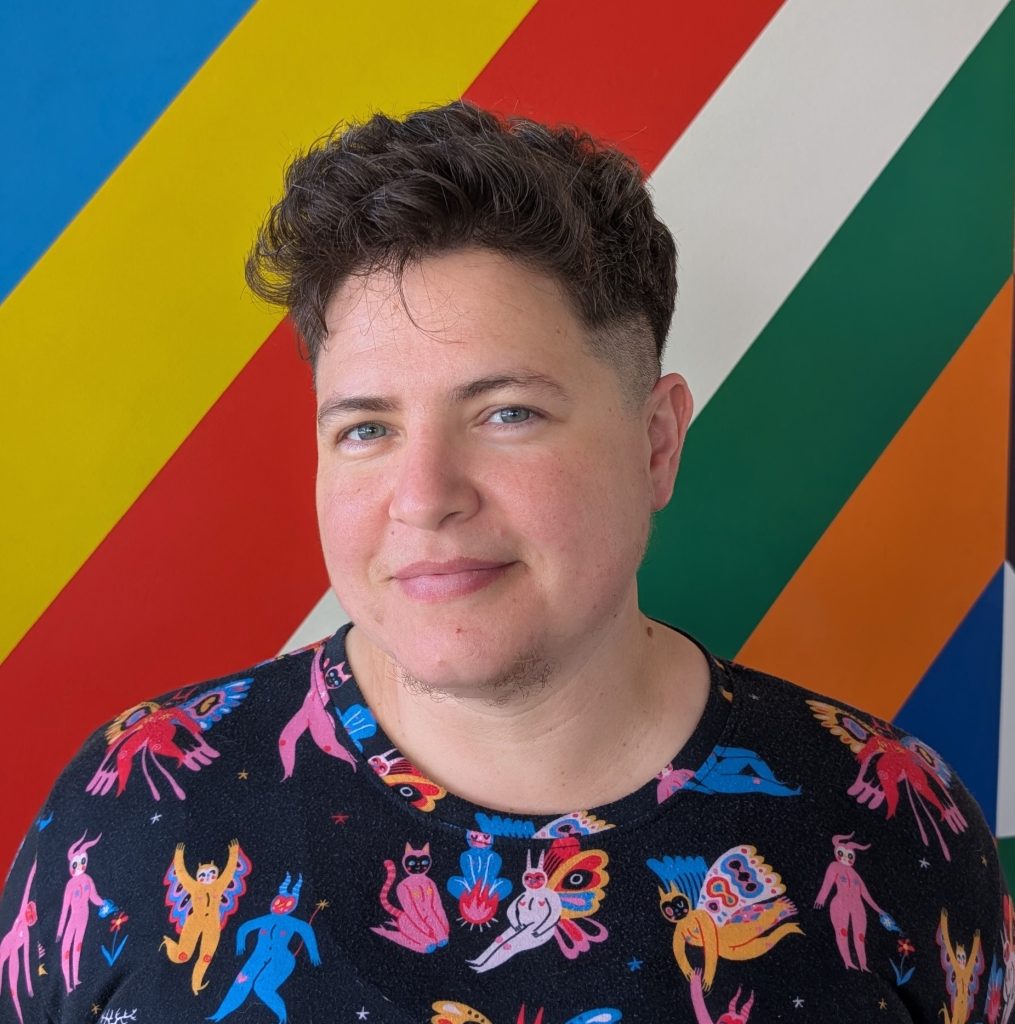
Amanda is an Associate Professor at Georgetown University. They are the author of Gamer Trouble: Feminist Confrontations in Digital Culture and co-editor of the NYU Press Queer/Trans/Digital/Diaspora book series. Amanda writes about sex, death, identity, and politics in video games.
“I’m excited to participate in this forum because securing equitable access to digital games for students and faculty is one of the major unresolved dilemmas in my career. Librarians have been incredible allies in this struggle, but corporate and university policies, in addition to shrinking budgets, have hindered our ability to ensure that every student has access to the materials that they need for class. It is one of the most frustrating and inexplicable obstacles to teaching that I face every single semester.”
Diane is the Games and Education Librarian at the University of North Texas. She manages collection development, cataloging, and outreach related to these collections. As the subject librarian for this field of study, she liaises with faculty and students who wish to use games for scholarship, research, or instruction. Scholarly contributions include publications and presentations on game collection management, tabletop game cataloging, and outreach.
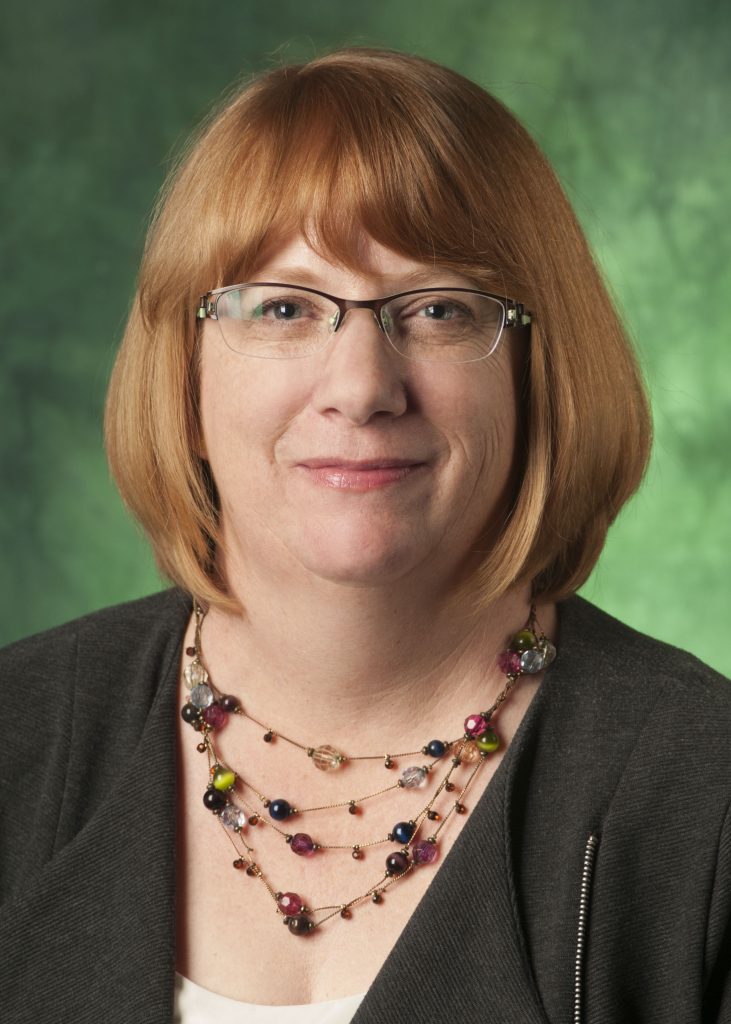
“As a single institution, advocating for gaming platforms to offer a multi-user license option is daunting. Collaboration significantly enhances our efforts as we work together to develop strategies for accessing and preserving born-digital content and to standardize language for library licensing of video games. Our success would expand access to a wide range of video game content for library patrons.”
Meredith Rose is Senior Policy Counsel at Public Knowledge, a Washington, DC-based nonprofit that advocates for consumers’ and users’ rights in the digital ecosystem. Her work focuses on the intersection of copyright, DMCA, intellectual property reform, artificial intelligence, access to knowledge, and governance issues.

“Preserving and protecting video games, as well as making them accessible to researchers and regular users, is a big lift requiring a variety of perspectives from across multiple fields. I’m excited to be part of the discussion, and hope we can chart a path forward.”
Rebecca Slitt is an editor and publisher of interactive fiction for Choice of Games and its spinoff romance label Heart’s Choice. She has edited over 30 interactive novels, including three Nebula finalists, and wrote the YA Psy High series for Choice of Games. She has also contributed to several tabletop and live-action roleplaying games. She received a PhD in medieval history from Fordham University, and has published articles on friendship, gender, and history writing in twelfth-century England; and has also worked as a catalog assistant at Yale University Library.

“As someone who has worked on all sides of the issue – as a professor, a library professional, a game writer, and a game publisher – I deeply believe that it is important to preserve games in academic libraries. Games are art in themselves, an important part of popular culture, and the gateway into students’ interest in many academic fields.”