Information Science Program

Build the skills to organize, analyze, and use information and technology to solve problems in organizations and communities.

The Bachelor of Science in Information Science prepares students to manage information systems, work with data, support technology users, and apply information to real-world decisions. This multidisciplinary degree helps students build practical knowledge for a range of information-focused careers.

Connect with Us

Bachelor’s in Information Science (BSIS)

The Bachelor of Science in Information Science (BSIS) is one of only two programs of its kind offered at a North Carolina public university.

What you’ll learn

  • How to manage, maintain, and design information systems
  • How to train and support users in effective technology use
  • How to analyze and apply data to inform decision-making
  • How to work with geographic information systems (GIS)

Why it matters
Organizations across sectors rely on accurate, accessible information to make decisions. In this program, you’ll learn how to organize, interpret, and apply data to meet real-world needs.

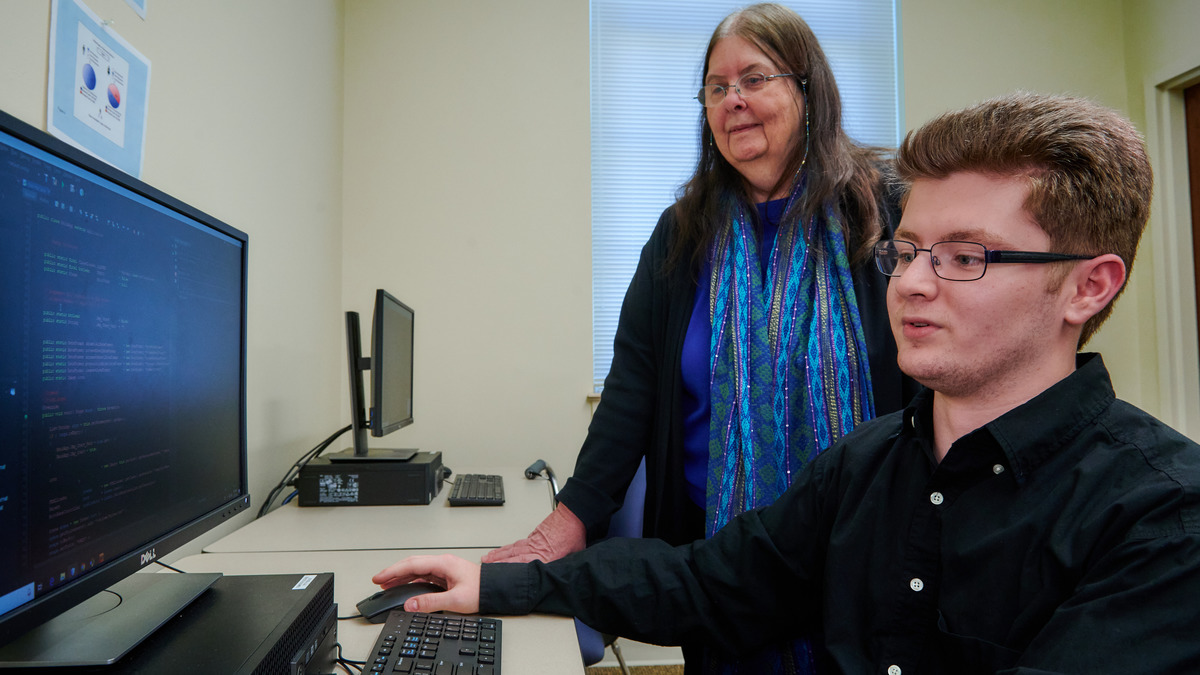
Information science student working with data and code alongside faculty support in a computer lab

Geographic Information Systems

Explore mapping and spatial data analysis to address questions in planning, environmental work, public services, and other settings.
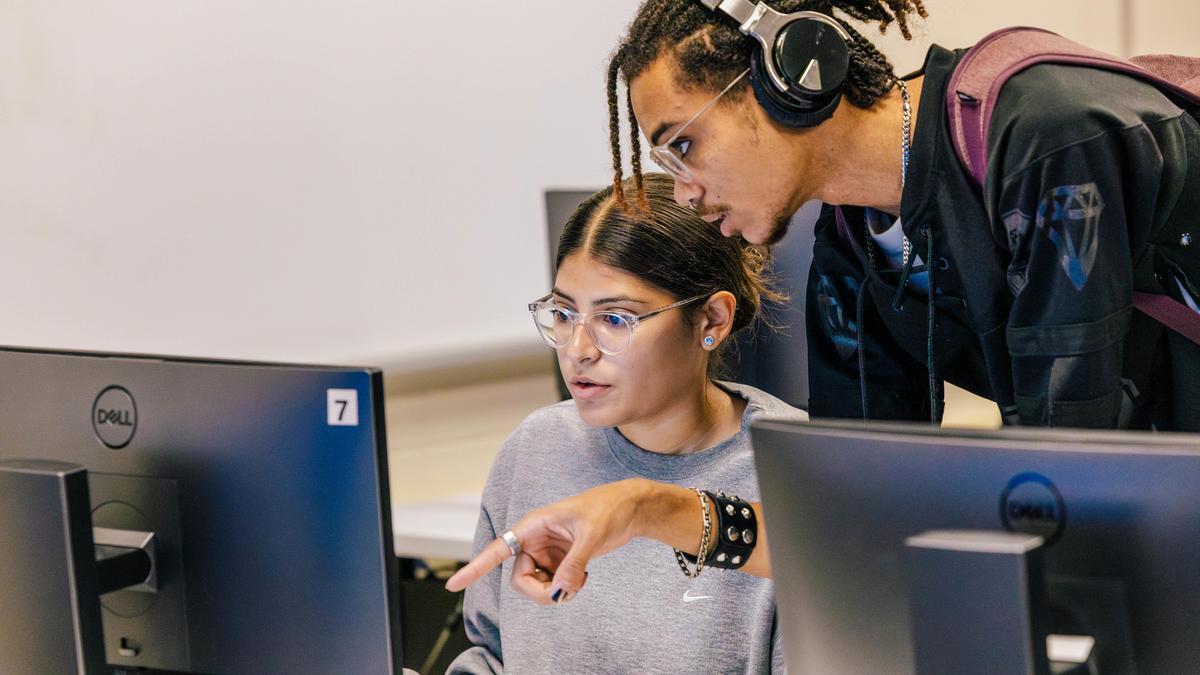
Students analyzing data and using information systems tools in a university computer lab setting

Information Analytics

Learn to interpret and use data to identify patterns, support decisions, and improve outcomes.
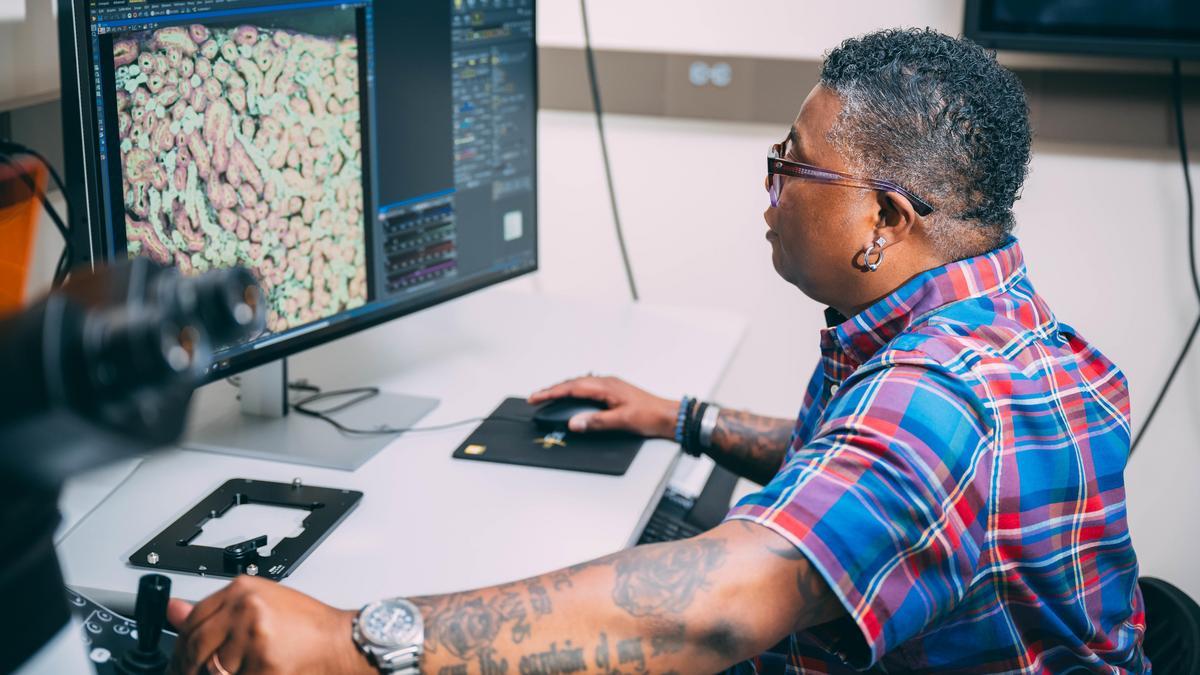
Student using data analysis and visualization software to interpret complex datasets in an information science lab

Information Technology Training & Development

Prepare to design, deliver, and evaluate technology training and user support in organizational settings.

Information science students collaborating on data and technology projects in a hands-on university learning environment

Organizational and Community Informatics

Examine how technology and information systems support communication, collaboration, and impact within organizations and communities.