ABOUT THE SCHOOL OF EDUCATION
MISSION (WHO WE ARE)
The School of Education is committed to creating life-changing opportunities through education by providing transformative learning, leading innovation and discovery, engaging communities, and promoting equal opportunity for students of all backgrounds.
CORE VALUES (WHAT GUIDES & INSPIRES US)
Our core purpose is to create life-changing opportunities through education. Everything we do is in support of this core purpose. Four Areas of Distinction guide our progress towards fulfilling our core purpose. We believe they represent critical principles for the future success of our graduates, and we are proud of our regional and national recognition as leaders across these areas.
These four Areas of Distinction are:
- PROVIDE TRANSFORMATIVE LEARNING
We provide a transformative educational experience rich in real-world learning opportunities. Our students gain valuable practical experience with local organizations and school districts through internships, field placements, practicums, and related community engaged scholarship. - LEAD INNOVATION AND DISCOVERY
We lead innovation and research and bridge discovery with teaching and practice to address our most pressing social needs. Our students not only learn from faculty who are at the forefront of advances in research, but also have the opportunity to be directly involved in research and community-engaged activities that are at the cutting edge of teaching and practice. - PROMOTE EQUAL OPPORTUNITY
We promote a just society through taking actions that ensure equal opportunity for all persons, valuing individual and collective belonging & inclusiveness while fostering educational and social access. Our students are engaged in activities tied to every step of this process as we strive to leverage the collective expertise of our faculty and staff to generate a measurable impact on our region. - ENGAGE COMMUNITY
We actively sustain an engaged and collaborative community of students, staff, faculty, alumni, and partners to act as agents of real-world change. Our students benefit from being a part of this community through enhanced opportunities for learning and building important professional networks aligned with their career interests.

Meet Our Dean
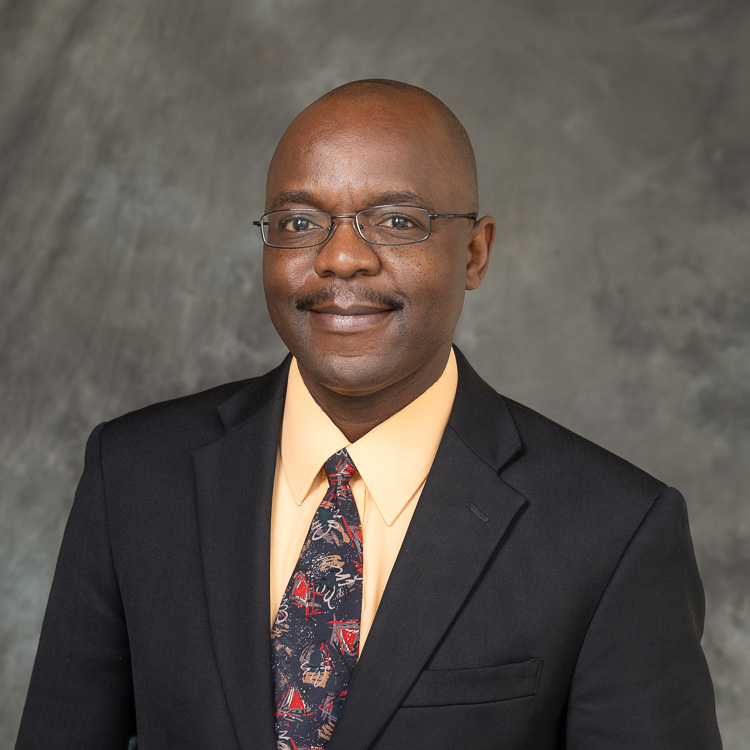
Dr. Morgan Chitiyo has successfully supported enrollment though marketing and fostering district partnerships, worked with an innovative and collaborative spirit in identifying solutions to challenges as they emerged, and has been dedicated to supporting the faculty, staff, and students of the School of Education.
Belonging & Inclusiveness Initiatives
As a School of Education, we value and promote a diverse and inclusive community that fosters equitable, just, and flourishing environments where all can find a sense of belonging.

SOE Headlines
December 18, 2025
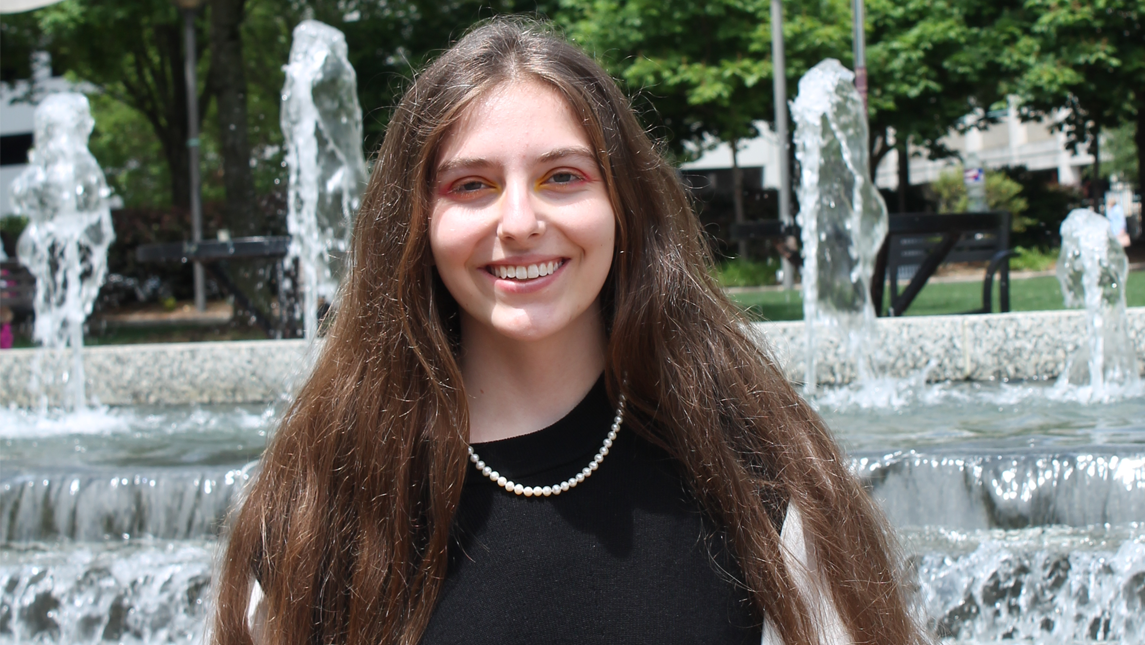
Spartan Voices: Diego Mureño
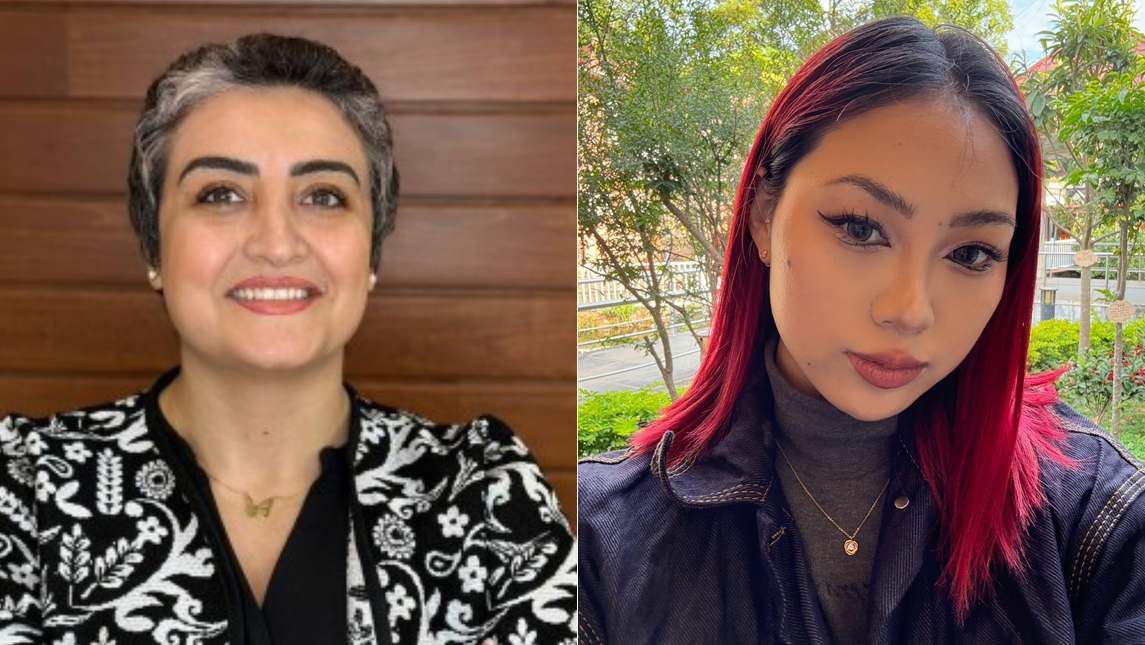
Diego Mureño is a doctoral student in the Educational Leadership program. The Marion, N.C., graduated this fall.
December 10, 2025
Doctoral Student Hilary Flint Recipient of NBCC Fellowship
A licensed clinical mental health counselor and National Certified Counselor, Hilary Flint is now in their second year of the Counse…
December 8, 2025
Education Scholarship Will Help Educators ‘Change the World’
Kids need heroes at home, at school, and in their communities, says Cathy Tisdale ’75. She believes philanthropy can help. With th…
Founding Years
Founded as the North Carolina State Normal and Industrial School to train women educators.
Charles Duncan McIver appointed first president.
Curriculum focused on basic teacher training; became a full college by 1897.
Early Growth
Julius Foust became Dean of Faculty and later president.
Curry Building opened as a practice school for education students.
Liberal arts curriculum began to expand.
Institutional Development
Education programs among the largest in the South.
New School of Education and Curry School building completed.
Programs accredited by the Association of Secondary Schools and Colleges of the Southern States.
Consolidation Era
Became part of the Consolidated UNC System in 1932.
Education and Home Economics downgraded to departments.
Enrollment surged despite the Great Depression.
Graduate Education Emerges
Graduate programs expanded; master’s in elementary education approved in 1949.
WC became the largest women’s college in the U.S.
Charles Prall appointed dean of education.
Integration and Curriculum Reform
First African American students admitted in 1956.
Curriculum shifted toward liberal arts and scientific study.
Emphasis on research and publication increased.
Coeducation and Accreditation
Renamed UNCG in 1963; became coeducational.
NCATE accreditation highlighted need for centralized teacher education.
Doctor of Education degree introduced in 1966.
Reorganization and Growth
UNCG became a commuter college.
David Reilly appointed dean; reorganized School into departments.
Enrollment and faculty numbers grew significantly.
Leadership Challenges and Faculty Tensions
Reilly’s tenure marked by conflict and reorganization attempts.
Jack Bardon served as interim dean (1986–1988).
Endowment grew significantly; Curry Building renovated.
research and Partnerships
Edward Uprichard emphasized grantsmanship and unified teacher education.
Teachers Academy established.
David Armstrong succeeded Uprichard; expanded partnerships and technology use.
Technology and Infrastructure
Dale Schunk became dean in 2001.
UNCG classified as a high research activity university.
New LEED-certified School of Education building opened.
Strategic Transformation
Karen Wixson reorganized administration and governance.
SELF Design Studio and Michel Family Teaching Resources Center unveiled.
$7.7M TQP Grant awarded for tech-enhanced teaching.
Randy Penfield appointed dean in 2016.
LAND ACKNOWLEDGEMENT
UNCG is located on the traditional lands of the Catawba, Keyauwee, and Saura Nations. UNCG and the City of Greensboro are home to a vibrant Native community connected by the Native American Student Association (NASA) at UNCG and the Guilford Native American Association.
The state of North Carolina is home to many Native Nations, including the Coharie, the Eastern Band of Cherokee Indians, the Haliwa-Saponi, the Lumbee Tribe of North Carolina, the Meherrin, the Sappony, the Occaneechi Band of the Saponi Nation, the Tuscarora Nation of North Carolina, and the Waccamaw Siouan. Let us venture to honor them with our work together.